Social Media Management
5 Powerful Benefits of Social Media Management for AI Startups in 2026
Social media management makes an AI startup visible, understood and trusted by the people who will buy from it, invest in it and work for it. It turns complex technology into clear stories, builds credibility before the first sales call and grows a community through consistent, daily engagement. Done well, it also focuses your effort on the right platforms and uses monthly data to keep improving what you post.
This guide breaks down how social media management benefits AI startups in five practical ways, from getting noticed to improving with data. It also covers which platforms to prioritise and what a B2B social media strategy looks like for an AI product.
At Apolo Creative, social media management is one of our two core services. I've spent years doing it hands-on inside agencies, and here's what I've seen it do for companies.

1. Get noticed: How to make your AI product stand out
You've built something impressive. The tech works, early users love it, and you know it could change how people work. But outside your circle, almost nobody knows it exists.
That's the gap social media management closes. Done well, it isn't "posting for the sake of posting." It's a steady, planned effort that puts your product in front of the right people and gives them a reason to remember it.
Why AI products need a different approach
Social media management for AI products is different from managing a lifestyle brand or a local business. Your audience often doesn't know your category exists yet, so you have to name the problem before you can sell the solution.
Many AI tools also sound alike. When every competitor promises to be "smarter" and "faster," the startups that stand out are the ones that show exactly what changes in someone's working day.
But showing exactly what your product does is only half the job. You also need a strong social media voice, built on distinct branding that stands out from every other AI tool in your audience's feed.
My background includes competitor analysis: studying how others in a space look, sound and position themselves, then finding the gap nobody has claimed yet. That gap is often where a brand finds its strongest position.
At Apolo Creative, we do the same for every client. Before we plan a single post, we look at where your competitors are and work out how to position your brand so it stands apart.
2. Be understood: How to make your AI product easier to grasp
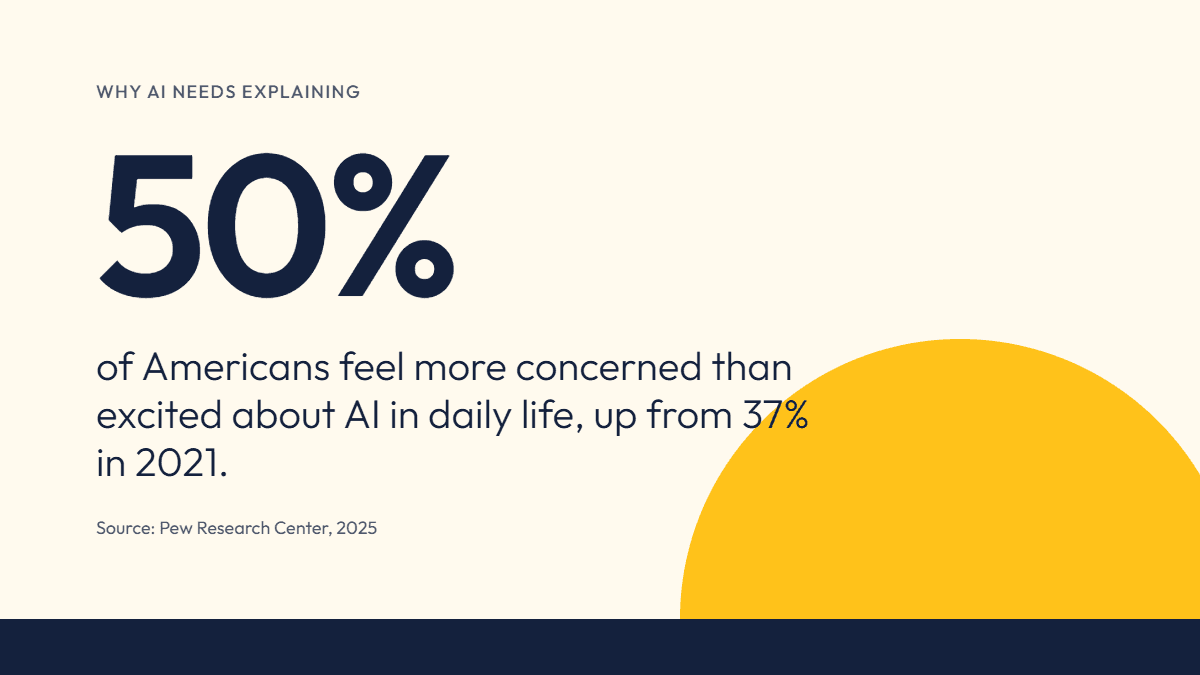
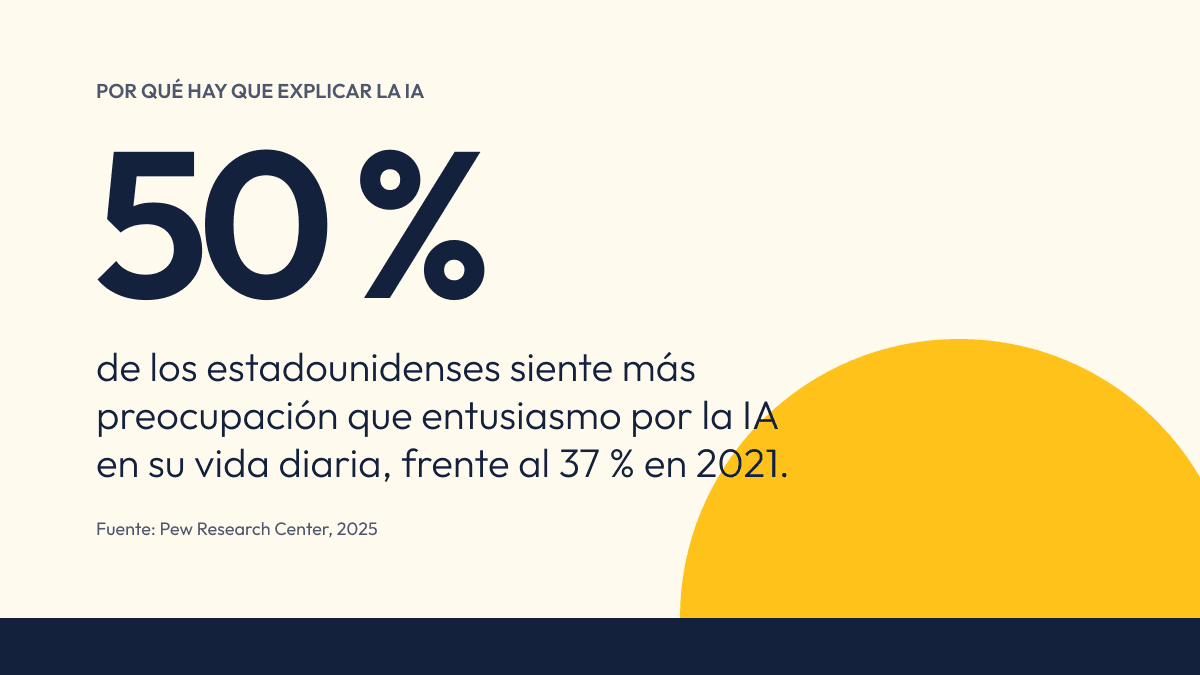
AI products are often hard to explain. Your audience may be curious, skeptical or a little afraid of what AI means for them. That fear is real: half of Americans now say they feel more concerned than excited about AI in daily life, up from 37% in 2021, according to Pew Research Center.
Turn features into everyday stories
A strong social presence translates complex technology into clear, human stories: short demos, before-and-after moments, and content that shows real people getting real value. Instead of listing what your model can do, show the task it saves someone from doing.
Show the product working
Screen recordings, quick walkthroughs and side-by-side comparisons often explain an AI product better than any written description. A 20-second clip of your tool finishing a real task makes the value obvious before anyone reads a word.
Use your customers' own words
The clearest posts often borrow language straight from sales calls, support tickets and comments. When your content describes a problem the way buyers describe it, they recognise themselves in it straight away.
When people understand what you do, they stop scrolling past you and start paying attention. That's the job of content creation.
3. Build trust: How to build relationships before the first sales call
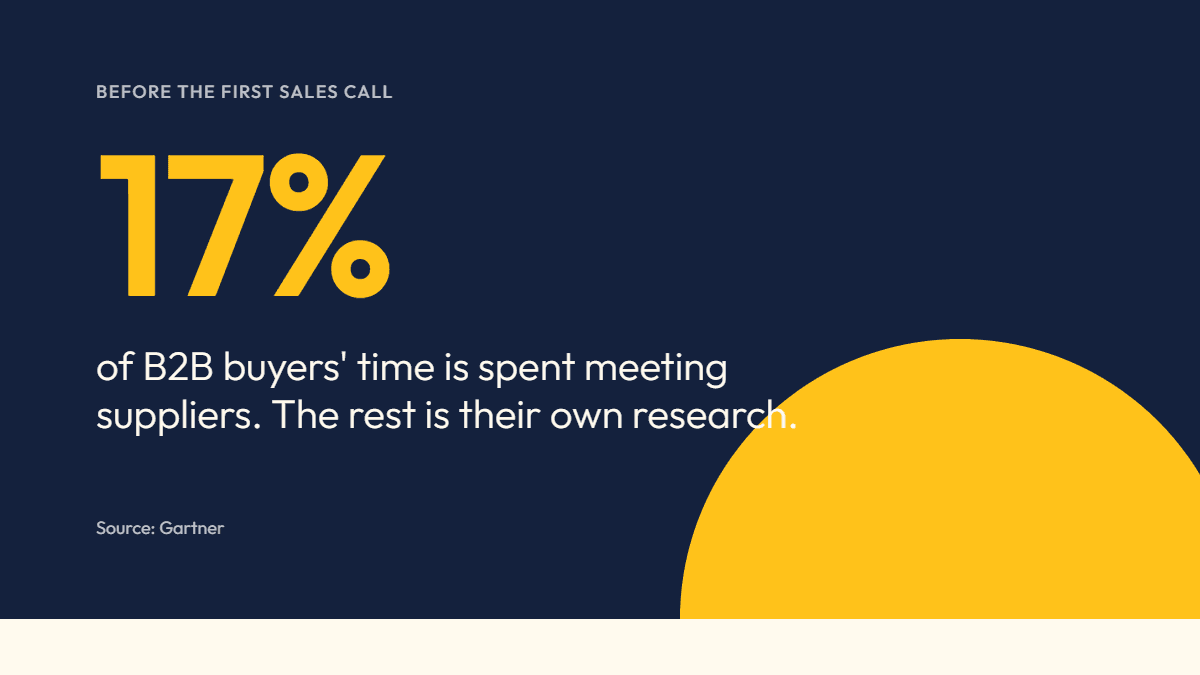
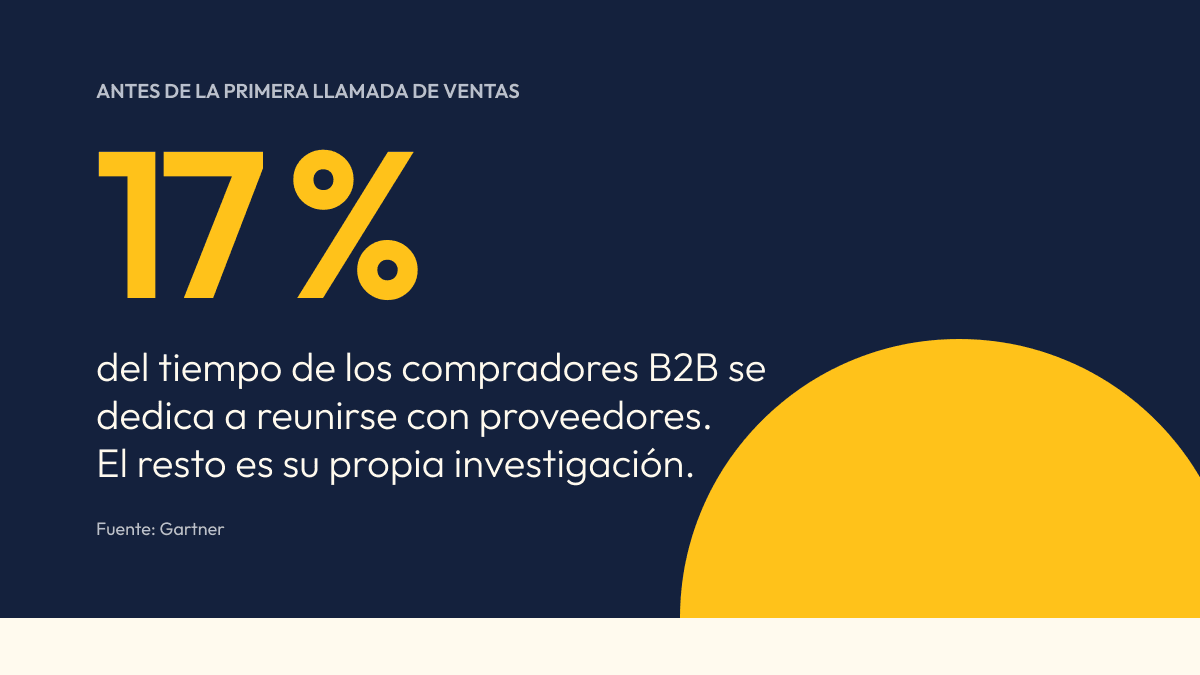
Buyers research you long before they talk to you. In fact, Gartner found that B2B buyers spend just 17% of their buying time meeting with suppliers, and that time is split across every vendor they're considering.
A consistent, professional presence tells them you're credible, active and here to stay. An inactive or messy account tells them the opposite.
Lead with your customers' problems
We build content around your customers' problems, not just your product announcements. That positions your company as the expert in your space, so prospects arrive already trusting you.
Build a B2B social media strategy around the buyer
A B2B social media strategy starts with one question: who signs off on buying your product? For many AI tools, the person using it every day isn't the person approving the budget, so your content needs to speak to both.
Map the roles involved, from the end user to their manager, IT and finance. Then plan content that answers what each of them worries about, whether that's ease of use, security or return on investment.
Keep a simple content mix
- Educational posts that explain the problem you solve in plain language.
- Product content that shows real tasks, results and use cases.
- Founder posts that share opinions, lessons and the story behind the company.
- Proof, such as customer stories, reviews and results, shared with permission.
A good B2B social media strategy keeps this mix steady week after week. Consistency matters more than volume, especially on LinkedIn, where buyers notice who shows up regularly.
4. Grow a community: How to turn followers into a loyal following
The biggest growth I've seen never came from a single viral post. It came from consistent community management: replying to every comment, joining the right conversations and making followers feel noticed. Platforms reward that kind of engagement with more reach.
What consistency looked like in practice
Before Apolo, I managed social media for two retail destination accounts in Texas, each with its own audience and brand voice. My work covered the full content lifecycle, from on-site visits and original photo and video to scheduling and daily community management. Across both pages, reach grew by more than 2,500% and total engagement by more than 5,000%, with each page earning between 10,000 and 25,000+ engagements a month.
That's the kind of momentum the right strategy creates. It's the same consistent approach we now bring to every AI brand we work with.
Why community matters even more for AI
AI products change fast, and early users often have questions, ideas and feedback. A well-managed community turns those people into advocates who explain your product to others, and it gives your team a direct line to what customers need next.
5. Improve with data: How to get better results every month
Every post produces data: what your audience responds to, which messages land and when people are most active. We track performance every month and use it to sharpen your content, so your social presence keeps improving over time instead of guessing.
Signals worth tracking
- Reach and impressions among the audience you actually want.
- Engagement, especially comments, shares and saves.
- Profile visits, website clicks and demo or trial sign-ups.
- Questions and feedback that show what people still don't understand.
Vanity numbers can be misleading, especially in social media management for AI products. A smaller audience of the right buyers is worth far more than a large following that will never use your product.
Review and adjust every month
At the end of each month, we compare results against the goals we set together. If a topic or format stops working, we change it instead of repeating it.
Over time, this turns your social channels into a steady source of insight about your buyers. It also shows you which messages are worth using in your sales decks, website and ads.
Which platforms should an AI startup focus on?
Not every channel is worth your time. B2B AI companies usually win on LinkedIn, where buyers, investors and talent pay attention. Consumer AI products often grow fastest on TikTok and Instagram, where a 20-second demo can outperform a landing page.
We choose your platforms based on where your customers actually are, then build a presence there that's consistent and strategic rather than spread thin. When you're ready to reach more of the right people faster, paid media can put your best content in front of them.
Plan before you post
A monthly content calendar keeps everyone aligned and stops your feed from going quiet during busy weeks. Planning a month ahead also leaves room to react quickly when news breaks in your industry, without letting the rest of your feed slip. You can start with the free AI and tech content calendar at the end of this article.
Why work with a social media agency?
Your team's time is best spent building your product. Social media that actually grows a business takes strategy, content creation, daily community management and constant analysis, and it takes experience to know what works. Social media management for AI products also needs someone who can learn your technology quickly and explain it accurately.
That's what we bring. Apolo Creative handles your social media from end to end, so your brand shows up consistently, speaks clearly and reaches the people who matter, while you focus on what you do best.
Frequently asked questions
How long does social media management take to work for an AI startup?
Most startups start to see clearer audience signals, like engagement and profile visits, within the first few months. Trust and community take longer and build with consistency, so we review performance every month and adjust as we go.
Which social media platform is best for a B2B AI company?
LinkedIn is usually the strongest starting point, because buyers, investors and future hires already pay attention there. Consumer AI products often grow faster on TikTok and Instagram, where short demos travel well.
Is social media management the same as paid ads?
No. Social media management builds your organic presence through content and community, while paid media pays to put your message in front of a chosen audience. They work best together, with the same clear message.
Do AI startups need influencer marketing?
Not always, but it helps when people are still learning to trust your product. A creator your audience already follows can explain it more convincingly than an ad. Read more in why influencer marketing works so well for AI brands.
How much of my team's time does it take?
We need your input at the start and your approval along the way. We agree on access, assets, approvals and responsibilities before the work begins, so your team can stay focused on the product.
Ready to bring your brand into the light? Contact Apolo Creative today.